Alumni
Predoctoral Trainees

Dr. Matt Collins
2009
Mentor: Rick Tarleton
Matt was an MD/PhD candidate, the first such student through a UGA/Medical College of Georgia (MCG) joint program. He did his Ph.D. work in Rick Tarleton’s laboratory, where he studied the regulation of CD8+ T cells in peripheral tissues during T. cruzi infection. He is not an Associate Professor at Emory University School of Medicine.

Dr. Charles Rosenberg
2011
Mentor: Rick Tarleton
Charles did his Ph.D. work in Rick Tarleton’s laboratory, where he studied the role of immunodominant T cells in control of T. cruzi infection. After completing his Ph.D., he did his post-doctoral training in the laboratory of Dr. Max Cooper at Emory University School of Medicine.

Dr. Tiffany Weinkopff
2010
Mentor: Pat Lammie
Tiffany studied the effect of filarial products on lymphatic endothelium in Dr. Pat Lammie’s laboratory which was located at the CDC. She is now an Assistant Professor at the University of Arkansas for Medical Sciences.

Dr. Sharon Keller
2013
Mentor: Silvia Moreno
Sharon was a graduate student in the laboratory of Silvia Moreno, graduated with a Ph.D. in Cellular Biology, August 2015. She worked on phospholipase C of Trypanosoma brucei. She was an Assistant Professor of Biology at Georgia Gwinnett College. She is currently a lecturer at the University of Georgia.

Dr. Jamie Winternitz
Mentor: Pejman Rohani
Jamie did her postdoctoral training at the Institute of Vertebrate Biology, Academy of Sciences of the Czech Republic. She is currently a Senior Researcher at the University of Hamburg.
Dr. Ashley Hartley
2013
Mentor: Rick Tarleton
Ashley was a DVM/PhD student, the first such student through the College of Veterinary Medicine at UGA. She completed her Ph.D. in Rick Tarleton’s laboraty where she studied the generation of attenuated parasites as experimental vaccines against Chagas disease. She is currently an Assistant Professor at the University of Tennessee.
Dr. Jenna Oberstaller
2012
Mentor: Jessica Kissinger
Jenna was a Department of Genetics graduate student in the lab of Jessica Kissinger. For her postdoctoral research, Jenna chose the laboratory of Dr. John Adams at the University of South Florida to study Plasmodium falciparum and P. vivax.
Dr. Sarah Reiff
2012
Mentor: Boris Striepen
Sarah was a Cellular Biology graduate student in the lab of Boris Striepen. Sarah had offers for postdoctoral appointments from a number of laboratories in Germany, the UK and the United States. From those, she chose Wallace Marshal at UCSF. Dr. Marshal a leading cell biologist and current director of the MBL Physiology course who uses eukaryotic microbes to understand the biology of basal bodies and centrosomes. Sarah is presently a curator at Harvard University.

Dr. Eldin Talundzic
Mentor: David Peterson
Eldin was a doctoral student in the lab of David Peterson where he explored and characterized DBL domain of the P. falciparum var2csa gene. Eldin and his family were refugees of the violent strife in his native Bosnia and he immigrated to the US via Germany. Eldin was awarded an ASM Fellowship and is currently a Molecular Biologists at the CDC working on malaria.
Dr. Hillary Danz
2009-2016
Mentor: Don Harn
Hillary graduated with a Ph.D. in Infectious diseases. She was advised by Dr. Don Harn. Her project focused on the impact of helminth infection on influenza mediated disease pathology. She is a Virology Research Scientist at Sanofi Pasteur.

Dr. Briana Flaherty
2009-2015
Mentor: David Peterson
Briana’s research project focused on how exposure to Plasmodium falciparum modifies the function of human trophoblast. She is currently a staff scientist at BioFire Diagnostics.

Dr. Angela Pack
Mentor: Rick Tarleton
Angela graduated with a Ph.D. in Microbiology. Her project was on CD8+ T cell responses during the chronic phase of T. cruzi infection. She is now a postdoc at Iowa State University. She joined the laboratory of Dr. Noah Butler, who works in immunology of malaria.

Dr. Whitney Bullard
2014-2016
Mentor: Robert Sabatini
Whitney studied epigentic regulation in kinetoplastids. She graduated with a Ph.D., May 2016, and she completed a post-doc at the University of Florida, College of Medicine, with Scott Tibets, in the Department of Molecular Genetics and Microbiology. She is currently a scientist at Arcturus Therapeutics.
Dr. Phil Yao
2015-2016
Mentor: Rick Tarleton
Phil was an M.D./Ph.D. student and graduated Spring 2017 with a Ph.D. and continued with his medical training at the Medical College of Georgia, Augusta University. He became an M.D., Ph.D. in 2018 and he is a resident of Anesthesiology at the University of California, San Diego.

Dr. Heather Bishop Kudyba
2015-2017
Mentor: Vasant Muralidharan
Heather defended her dissertation, “The role of ER chaperones in the asexual and sexual development of the human malaria parasite, P. falciparum“, on March 7th, 2019, and graduated May 10th, 2019. She is presently a postdoc with Dr. Joel Vega-Rodriguez, at NIH where she will continue working with sexual stages of malaria parasites.
Dr. Anthony Szempruch
2015-2016
Mentor: Stephen Hajduk
Tony was not supported directly by the T32 but was awarded one of the OVPR fellowship from the Office of the Vice President. Tony graduated Summer of 2016. Tony was the 2016 recipient of the American Society for Cell Biology’s Kaluza Prize, which is awarded in collaboration with Beckman Coulter Life Sciences. Tony won the award based on his Ph.D. work with African trypanosomes. He is currently a Senior Scientist at Pfizer.

Dr. A. J. Stasic
2015-2017
Mentor: Silvia Moreno
A.J.’s fellowship was one of the OVPR fellowships and he was funded for two years. He graduated in May 2019 with a Ph.D. in Microbiology. A.J. is presently a Staff Scientist at the Food and Drug Administration with an 80% research position and he is working on identifying new targets for antimalarial therapy.

Dr. Catherine Morffy Smith
2016-2018
Mentor: Julie Moore
Catherine defended her thesis, “The Role of Syncytiotrophoblastic Autophagy in the Pathogenesis of Placental Malaria”, on July 20th, 2018, and graduated at the end of the summer of 2018 with a Ph.D in Infectious Diseases. She is presently a postdoc at Washington University, St. Louis with Dr. David Rosen in the Department of Pediatrics.

Ruby Harrison
2017-2019
Mentor: Michael Strand
Ruby graduated from the University of Wisconsin-Madison with a degree in Entomology. She conducted fieldwork in French-speaking Gabon, Africa. She selected UGA for her Ph.D. training because she wanted to pursue advanced studies in medical entomology, mosquito biology, and animal-microbial interactions. She is still working on her project on the role of mosquito microbiome in deterring pathogen infection.

Dr. Manuel Fierro
2017-2019
Mentor: Vasant Muralidharan
Manuel was supported one year by the OVPR fellowship and the T32 for his second year. He is originally from Ecuador but grew up in Georgia. Manuel obtained his B.S. degree in Cellular Biology from UGA and joined the graduate program Fall 2015. He studies how calcium is regulated in the endoplasmic reticulum of Plasmodium falciparum. He graduated May 2020 and he is now a post-doc fellow with Josh Beck at Iowa State University.

Molly Bunkofse
2017-2019
Mentor: Rick Tarleton
Molly was supported one year by the OVPR fellowship and her second year by the T32. Molly obtained a BA in Biology from Augustana College, Rock Island, IL. She is completing her Ph.D. in Rick Tarleton’s laboratory where she works on the host CD8+ T cell response that is generated against flagellar proteins from the parasite Trypanosoma cruzi.

Dr. Karla Marquez-Nogueras
2016-2018
Mentor: Silvia Moreno
Karla was from Puerto Rico and she graduated in November 2020 with a Ph.D. in Microbiology and is now a post-doc fellow at Loyola Medical School in Chicago.

Dr. David Cobb
2016-2018
Mentor: Vasant Muralidharan
David graduated in October 2020 with a Ph.D. in Cellular Biology. His project focused on genetic and chemical approaches to reveal the function and druggability of chaperones in the Plasmodium falciparum. He is now a post-doc fellow at Columbia University in New York.

Dr. Stephen Vella
2018-2020
Mentor: Silvia Moreno
During his first year at UGA, Stephen was awarded an Excellence in Graduate Recruitment fellowship. Stephen completed his Ph.D. training in November 2020. He worked on the role of host cell Ca2+ involved in parasite egress and how Ca2+ oscillations are decoded into different types of parasite motility. He has taken a position as Medical Affairs Advisor at Qiagen.

Josh Butler
2018-2020
Mentor: Belen Cassera
Josh is being supported by one of the OVPR fellowships. In Belen Cassera’s laboratory, he works on antimalarial natural products as tools to discover novel drug targets in the malaria parasite Plasmodium falciparum. Josh will graduate in Fall 2020 with a Ph.D. in Biochemistry.

Reagan Haney
2022-2023
Mentor: Belen Cassera
Reagan earned her Bachelor in animal and veterinary sciences with a minor in pre-health studies from the University of Idaho (UI) in May 2019. During her undergraduate, Reagan studied the effects of abscisic acid (ABA) on Anopheles mosquito reproduction with Dr. Shirley Luckhart. This project resulted in Reagan’s first scientific publication. After graduation, Reagan continued working for Dr. Luckhart as a lab technician on a collaborative project with the University of Arizona. Her efforts were focused on the effects of pantothenate kinase (PANK) inhibitors and activators on gene expression in A. stephensi, on growth and development of the malaria parasite Plasmodium falciparum in vitro, and on parasite infection in A. stephensi. Reagan was accepted into the UGA Integrated Life Science program Fall 2020, and later, joined the laboratory of Belen Cassera. In the Cassera’s lab, Reagan has been involved in various stages of antimalarial drug discovery ranging from screening natural products to further investigating structure activity relationships for antimalarial analogs. Reagan’s dissertation project focuses on discovering the mechanism of action of a novel antimalarial and identify and validate the molecular target(s) of this novel therapeutic.

Katherine Moen
2022-2023
Mentor: Silvia Moreno
Katie received her bachelor’s degree in Biology from Georgia College and State University in December 2018. While at GCSU she worked with Dr. Kasey Karen on finding the binding site of adenoviral E4 11k protein and P-body component Ddx6. Through her coursework, she gained an interest in parasitology. She was accepted into the Cellular Biology Master’s program at the University of Georgia, Fall 2019 with the intent of studying protozoan parasites and joined Dr. Silvia Moreno’s lab to study how the Endoplasmic reticulum of the protozoan parasite Toxoplasma gondii regulates Calcium for optimal signaling. In Spring of 2021, she decided to change her degree path and pursue a Ph.D. She has served as treasurer for both the Cellular Biology Graduate Student Association (CBGSA) and the Center for Tropical and Emerging Global Diseases Student Association (CGSA).

Benjamin Phipps
2021-2023
Mentor: Michael Strand
Benjamin earned bachelor’s degrees in Spanish and biology and a minor in chemistry from the University of North Texas in May 2019. While at UNT, he studied the influence of mixed vehicle emissions on regulation of the renin-angiotensin system with Dr. Amie Lund and programmed translational frameshifts in Streptomyces bacteriophages with Dr. Lee Hughes. Benjamin earned research support and two travel grants to report his findings for his undergraduate projects. In August 2019, he enrolled in the Integrated Life Sciences (ILS) program at UGA and completed several laboratory rotations in parasitology before joining the laboratory of Dr. Michael Strand. Benjamin’s dissertation project focuses on the effects of mosquito neurohormones and gut microbiota on egg production and malaria infection in the Indian malaria vector An. stephensi. He has served as treasurer of the Genetics Graduate Student Association and currently serves in that role for the CTEGD GSA.

A. Cassiopeia Russell
2022-2023
Mentor: Dennis Kyle
Cassie received her bachelor’s degree in Microbial, Cellular and Molecular Biology at Auburn University, where she first took a Parasitology and Virology course that ignited her passion for infectious diseases research. She was accepted into the Integrated Life Sciences graduate program at UGA in Fall of 2018 and joined the lab of Dr. Dennis Kyle. During her undergraduate years, she performed research and worked as a microbiology research technician in the lab of Dr. Paul Cobine at Auburn where she studied the mechanism of copper import/export to/from the mitochondrial matrix using a yeast model. In the Kyle lab, Cassie is currently working to elucidate intercellular communication of the brain-eating amoeba, Naegleria fowleri, with the hopes of developing a novel diagnostic approach for this deadly infection. She has participated in multiple drug discovery efforts for this parasite and has authored 2 papers based on her research so far.

Justine Shiau
2021-2023
Mentor: Dennis Kyle
Justine received her bachelor’s degree in Biology from the Pennsylvania State University, where she was introduced to parasite biology and infectious diseases/disease transmissions. She was accepted by the UGA Integrated Life Science graduate program in Fall 2018, and later, joined the laboratory of Dennis Kyle. Prior to graduate school, she worked as a research technician at UGA in the laboratory of Courtney Murdock, during which she studied ecology of vector-borne diseases and transmission dynamics. In the Kyle lab, Justine is currently working on the transmission stages of Plasmodium falciparum, a parasite that infects humans and causes significant mortality worldwide. Justine’s project focuses specifically on the vector to human life-stages transmission. Her project aims to understand better the biology of the malaria parasite during the vector to human transition and parasite’s development in the liver, an obligatory yet silent phase of the disease in humans.

Emily Bremers
2023-2024, Biochemistry
Mentor: M. Belen Cassera
Emily received her Bachelor’s of Science in Microbiology from the University of Nebraska-Lincoln. While in undergrad, Emily worked with Dr. Caroline Ng studying malaria drug resistance and identifying novel compounds that kill drug-resistant malaria parasites. This research inspired Emily to attend the University of Georgia for their graduate studies in order to continue pursuing research in parasitology. Now, Emily works with Dr. Belen Cassera on identifying novel antimalarials, in addition to studying a common mechanism of drug resistance in the malaria parasite. Emily has previously served as Secretary and President of the CTEGD Graduate Student Association. Through the T32 fellowship, Emily hopes to further develop her skills in molecular parasitology. Emily’s long-term career goals are to remain in academia and help teach/train the next generation of parasitologists.

Saniya Sabnis
2022-2024, Infectious Diseases
Mentor: Chet Joyner
Saniya received her Bachelor’s degree in Chemistry from the University of Pittsburgh in 2015, where she studied organic synthesis investigating the methodology of the photo-Fries rearrangement, the mechanism of the novel, one-pot Biginelli reaction followed by a Diels-Alder reaction, and the synthesis of phenyl indole derivatives targeting p97 ATPase. To further explore the translational aspects of science, she earned a Master’s of Public Health degree in Infectious Diseases and Microbiology from the University of Pittsburgh in 2019. While there, she investigated the correlation between single-nucleotide polymorphisms and the progress of HIV-positive individuals and completed her thesis assessing patient, surgical, and environmental risk factors for neurosurgery intensive care unit patients while evaluating a policy change regarding the prevention of surgical meningitis and ventriculitis from external ventricular drains. During this time, she became fascinated with immunology and joined the UGA Ph.D. program in Fall 2020. Her present work in Dr. Chester Joyner’s lab is on the etiology of severe malarial anemia and the role of autoantibodies in Plasmodium coatneyi infected-rhesus macaques, an animal model of Plasmodium falciparum.

Grace Woods
2022-2024, Cellular Biology
Mentor: Vasant Muralidharan
Grace received her bachelor’s degree in Biology from Western Carolina University in 2017. During her undergraduate, she was introduced to basic research in genetics. After graduation, she interned at the Defense Forensic Science Center in Atlanta, GA, and spent the next two years as an ORISE Fellow in the Division of Sexually Transmitted Diseases at the Centers for Disease Control and Prevention. Both post-baccalaureate positions gave her further experience in molecular genetics. In the fall of 2020, she joined ILS at UGA and rotated through several labs before joining the Muralidharan lab and she is working on understanding the molecular mechanisms that lead Plasmodium falciparum, the causative agent of malaria, to egress from host red blood cells. Grace’s project uses genetic engineering tools to investigate the function of transmembrane proteins hypothesized to play a role in Plasmodium egress. This past year she served as vice president for the CTEGD GSA.

Magdalena Argomaniz
2024-2025, Infectious Diseases
Mentor: Chet Joyner
Magdalena received her Bachelor’s degree in Biology from Idaho State University in 2019. She studied B cell differentiation during undergrad in response to asbestos fiber exposure. To further her research experience, she attended the UGA as a NIH Prep Scholar and did a year of research in Dr. Joyner’s lab. During that year she worked on characterizing the antibody response of Aotus nancymaae infected with P. vivax Brazil VII and defining the conditions required for transmission of culture-adapted P. cynomolgi. After enjoying her year in the Joyner lab, she decided to join the lab as a PhD student in the fall of 2021. Her current research focuses on developing genetic techniques to study the molecular basis for liver stage dormancy in P. vivax.

Fiifi Dadzie
2024-2025, Genetics
Mentor: Jessica Kissinger
Fiifi earned his Bachelor of Science in Agriculture from the University of Science and Technology in Ghana. He continued his academic journey with a Master of Science in Biology at Valdosta State University, GA, where he focused on developing innovative sequencing techniques for the ION Torrent PGM platform. This work sparked his passion for genomics and cryptic organisms, motivating him to pursue a PhD in Genetics at UGA.
Fiifi is currently conducting his doctoral research under the mentorship of Dr. Jessica Kissinger and Dr. Travis Glenn from the Department of Genetics and Bioinformatics. His research explores the genomic diversity of Cryptosporidium species, a project that has already resulted in two publications. As he progresses in his studies, Fiifi is committed to making further impactful contributions to the field. This fellowship enables him to continue advancing his research in Cryptosporidium genomics while also expanding his knowledge in related disciplines through conferences and collaborative networking. His goal is to emerge as a well-rounded scientist.
Beyond his research, Fiifi is passionate about effective communication and education. He strives not only to excel as a researcher but also to inspire and educate future scientists. His ambition is to combine his research expertise with teaching, creating a lasting impact on the scientific and academic communities.
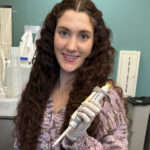
Cierra Gladfelter
2024-2025, Genetics
Mentor: Tania Rozario
Cierra received her bachelor’s degree in Biochemistry from Colorado School of Mines in 2021. She worked in two chemistry labs focused on designing novel antibiotics targeted towards Gram-positive bacilli bacteria and synthesizing mesoporous silica nanoparticles for drug delivery. After graduation, Cierra was accepted into the PREP@UGA program and worked in Dennis Kyle lab. She investigated Plasmodium falciparum samples in search of resistance-conferring polymorphisms that may have evolved before the widespread use of anti-malarial drugs. After her prep scholar experience, she was accepted into to the PhD Genetics program in 2022 and joined the Rozario lab where she is working towards molecularly characterizing the progression of germ cell development in the rat tapeworm, Hymenolepis diminuta. This will help uncover the genes necessary for reproduction and parasite growth, providing a starting point towards designing novel anthelmintic drugs to combat parasitic flatworm infections. After obtaining her PhD, she wants to transition to a research-intensive career in industry that is genetics or parasitology focused.

Derek Huck
2023-2025, Entomology
Mentor: Michael Strand
Derek received a bachelor’s degree in Evolution and Ecology from Ohio State University in 2020. During this time, he completed a course in parasitology which spurred an interest in mosquitoes and other arthropod vectors. He also studied the relationship between nutrition and reproductive physiology in male mosquitoes in the lab of Dr. Megan Meuti as an undergraduate at OSU. This experience was impactful and inspired him to pursue a graduate degree in vector biology. He then began a PhD in Entomology at UGA under Dr. Michael Strand, where his research focuses on interactions between mosquitoes and microbes like bacteria. He is particularly interested in how microbes influence key processes in mosquitoes including development and pathogen transmission. He has served as both secretary and president for the H.O. Lund Entomology Club.
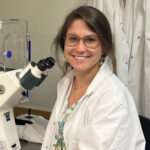
Victoria Mendiola
2023-2025, Infectious Diseases
Mentor: Dennis Kyle
Tori is a PhD candidate and her interest is in tropical parasitic diseases and integrative biology. Her interest in tropical parasitic diseases stems from an undergraduate NSF REU where she was first introduced to hookworm persistence and a unique immune response in South American Fur Seals in the Gottdenker Lab at UGA. After graduating with a Bachelor’s in Biology from Kennesaw State University, she was accepted to the NIH Bridges to the Doctorate program at Kennesaw State University where she obtained a Master’s of Integrative Biology. Her present research aims to develop high throughput methods to visualize, enumerate and phenotype Artemisinin-induced dormant Plasmodium falciparum using high-content imaging. Her long-term career goal is to utilize her diverse training in physiology, developmental and cellular biology, and infectious diseases to design, optimize and implement phenotypic assays for drug discovery and disruption of parasite homeostasis.

Kaelynn Parker
2023-2025, Cellular Biology
Mentor: Diego Huet
Kaelynn received her Bachelor’s degree in Biology from the University of Mary Washington in 2021. There she worked with CTEGD alum, Dr. Swati Agrawal, which is where her passion for parasitology was first sparked. Under Dr. Agrawal’s guidance she worked on adapting CRISPR/Cas9 for Crithidia fasciculata for use as a model organism to study pathogenic kinetoplastids. This experience inspired her to attend UGA specifically to join a CTEGD laboratory. She was accepted to the Cellular Biology PhD program in 2021 and joined the Huet lab, where she works on mitochondrial dynamics and interorganellar communication in Toxoplasma gondii.
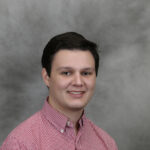
Clyde Schmidt
2023-2025, Cellular Biology
Mentor: Sam Kurup
Clyde received his bachelor’s degree in Biochemistry and Molecular Biology from the University of Georgia in 2020. During his time as an undergraduate, Clyde had experience studying intracellular bacteria and host-pathogen interactions with Dr. Ankita Garg. His work with studying how Mycobacterium bovis BCG manipulated host cell macrophages inspired him to further expand his field of study to mechanisms of combatting intracellular pathogens. During his rotations through UGA’s Integrated Life Sciences Program, his interest in studying parasite-host interactions sparked following his time in Dr. Kurup’s lab. After joining in 2022, Clyde began his work on understanding how to better improve vaccines for liver-stage malaria and the relationship between parasite development and providing a suitable target for CD8 T cells.
Postdoctoral Trainees
Dr. Aparna Telang
2005-2006
Mentor: Mark Brown
Dr. Telang was a post-doctoral trainee in Dr. Mark Brown’s laboratory where she studied the effects of starvation on metamorphosis of mosquitoes. After completing her training at UGA, she accepted a position as Assistant Professor in the Department of Biology at the University of Richmond. She is currently an Assistant Professor in the Biology Program at the University of South Florida, Sarasota-Manatee.
Dr. Carla Black
2009
Mentor: Dan Colley
Dr. Black obtained her Bachelor’s degree from Texas A&M University and her MSc in Epidemiology from Emory University. She worked or human schistosomiasis in the laboratory of Dr. Dan Colley while at the CTEGD. Upon completing her postdoctoral training Carla was successful in obtaining a permanent position at the Centers for Disease Control and Prevention (CDC) conducting surveillance for vaccine coverage for seasonal and H1N1 influenza. In this position, she conducts studies to assess risk factors for non-vaccination, provides technical assistance in regard to vaccination coverage assessments to state health departments and has recently been promoted to a GS14 position with supervisory roles assessing the coverage of vaccines for multiple diseases.

Dr. Douglas Pace
2007-2009
Mentor: Silvia Moreno
Dr. Pace started his research career at UCSC in Los Angeles as a marine biologist who used molecular tools to study the physiological impact of ecological change in sea urchins. He joined Silvia Moreno’s group to bring this background in physiology to the study of the intracellular parasite Toxoplasma gondii. Dr. Pace was recently promoted to Associate Professor at California State University in Long Beach and the director of the ecophysiology laboratory at the molecular life sciences center where he studies the role of Apicomplexan parasites in the marine environment.
Dr. John Harrington
2007-2014
Mentor: Stephen Hajduk
John Harrington was recruited to the Hajduk laboratory following completion of his PhD at the University of California Davis. His training was largely in the area of membrane biophysics. He is presently a Senior Scientist at Boehringer Ingelheim Animal Health.

Dr. Michael Cipriano
Mentor: Boris Striepen
Michael was a post-doctoral fellow in the laboratory of Boris Striepen where he studied Giardia lambia. He is currently completing his post-doctoral work in Stephen Hajduk’s laboratory.

Dr. Mattie Pawlowic
2015-2017
Mentor: Boris Striepen
Before coming to UGA, Mattie worked under the advice of Dr. Kai Zhang, Texas Tech University. Her project was about lipid metabolism of Leishmania parasites. When joining the laboratory of Boris Striepen she started working with Crypstoporidium and she formed part of the team that created the first system to genetically modify C. parvum and propagate stable transgenics in animals. Mattie is presently at the University of Dundee, Scotland, where she is Principal Investigator/Lecturer in the Department of Biological Chemistry and Drug Development, and a member of the new Wellcome Trust Centre for Anti-Infectives. She started her new Faculty position in November 2017 and she was awarded the British Society for Parasitology President’s Medal in 2019. In addition, she recently received 1.5 million GBP in funding from Wellcome Trust.

Dr. Msano Mandalasi
2017-2019
Mentor: Christopher West
Msano obtained her B.Sc with Honors from the University of Malawi, Zomba, Malawi. Her Ph.D. training was from the University of Maryland Eastern Shore, Princess Anne, MD in Marine Science. Her project in Chris West’s laboratory focused on the role of prolyl hydroxylation and glycosylation of E3 ubiquitin ligase on Toxoplasma growth. Msano’s dream is to run her own research program and she might find that niche as an independent PI.

Dr. Evgeniy Potapenko
2018-2019
Mentor: Roberto Docampo
Evgeniy was originally from Kiev, Ukraine. He obtained an M.S. in Medicine from the National University in Kiev, Ukraine, and a Ph.D. in physiology from the Bogomoletz Institute of Physiology, Kiev. He brought to the field of parasitology an almost untapped aspect of physiology that will generate an enormous amount of novel information plus the discovery of novel chemotherapeutic targets. There are only a few electrophysiological studies of recombinant transporters and channels from unicellular eukaryotes. Evgeniy is presently a Senior Research Scientist at the Mouse Metabolic Phenotyping Platform, University of Wisconsin-Madison School of Medicine and Public Health. He is directing a facility for performing electrophysiological analysis for a diversity of projects.

Dr. Anna Gioseffi
2021 – 2023
Mentor: Roberto Docampo
Anna joined the CTEGD after obtaining their Ph.D. in microbiology and cell science from the University of Florida in April 2021. During their graduate training, Anna studied the composition and pathological function of extracellular vesicles released by macrophages infected with Leishmania donovani, leading to a better understanding of host-pathogen interactions in the context of leishmaniasis. Anna has been appointed as postdoctoral fellow at UGA under the T32 trainee grant in August 2021. Under the mentorship of Dr. Roberto Docampo, Anna is studying the extracellular release of polyphosphate from infective stages of Trypanosoma cruzi and its possible role in cardiac manifestations of chronic chagas disease. Outside the lab, Anna enjoys a number of artistic hobbies as well as spending time with their pets. Through the T32 fellowship Anna hopes to further their knowledge of host-parasite interactions as well as develop the independence and skills necessary to effectively drive and manage their own future research goals in the field of parasitology. Anna’s long term career goal is to continue pursuing parasitology in the academic sector, where they hope to inspire curiosity about the “monsters inside us” and foster a new generation of diverse and inclusive scientists.

Dr. Ruby Harrison
2021 – 2023
Mentor: Drew Etheridge
Ruby received a bachelor’s degree in entomology from the University of Wisconsin-Madison in 2012 followed by a PhD in entomology from UGA in 2021, working with CTEGD trainers Michael Strand and Mark Brown. Her doctoral research, which was partially supported by a predoctoral T32 fellowship from the CTEGD, focused on nutritional and endocrine regulation of mosquito reproduction as well as mosquito-microbe interactions. Ruby went on to apply for the T32 a second time and was accepted as a postdoctoral fellow in the laboratory of Drew Etheridge in September 2021. Under the mentorship of Dr. Etheridge and in conjunction with collaborator from UGA Entomology Kevin Vogel, Ruby’s postdoctoral research will focus on the molecular interactions between the parasite Trypanosoma cruzi and its kissing bug vector host Rhodnius prolixus. Support from the CTEGD during both her doctoral and postdoctoral positions has been invaluable to Ruby’s training and career development and has greatly facilitated interdisciplinary research on understudied parasite-vector systems.

Dr. Marianna Agudelo
2023-2024
Mentor: Chet Joyner
Marianna obtained a B.S. in Biology, with a minor in German, from the Massachusetts Institute of Technology in 2016. She then completed her PhD studies at Rockefeller University in the lab of Michel Nussenzweig, describing the antibody response to tick-borne flaviviruses. This work resulted in patented antibodies which are soon to undergo multicentre clinical trials. Following her interest in the immunology of infectious diseases, she joined the laboratory of Chet Joyner in the CTEGD as a postdoctoral fellow to work on the biology of antibody-secreting cells in the context of malaria. Now as a T32 trainee, Marianna looks forward to developing her project, her knowledge of B lymphocyte-mediated immunity, and her career as an independent researcher.

Dr. Corey Rennolds
2023-2025
Mentor: Tania Rozario
Corey received his Ph.D. in biological sciences in 2022 from the University of Maryland, College Park, working in the laboratory of Dr. Alexa Bely. For his dissertation, Corey studied aspects of injury and whole-body regeneration in the annelid Pristina leidyi, including metabolic physiology, transcriptomics, and resource allocation patterns. Corey then joined the lab of Dr. Tania Rozario at UGA and was later awarded a T32 postdoctoral fellowship from CTEGD beginning in September 2023. Corey’s postdoctoral research under Dr. Rozario’s mentorship is aimed at characterizing stem cell populations in the rat tapeworm, Hymenolepis diminuta, including their molecular identities, plasticity, and functional contributions to growth and regeneration. Corey hopes that this fellowship will allow him to strengthen his technical and professional skills to pursue an independent and integrative research program focused on regeneration and other developmental processes in a variety of organisms, including parasites.

Dr. Mackenzie Sievert
2024-2025
Mentor: Dennis Kyle
Mac began pursuing his interests in genetics as an undergrad at the University of Missouri-Kansas City where he gained research experience in the laboratory of Dr. Scott Hawley at the Stowers Institute for Medical Research. Mac contributed to projects aimed to identify the crucial genes and molecular mechanisms underlying meiosis using Drosophila melanogaster as a model system. After receiving his Bachelor of Science in Biology he went on to the University of Notre Dame where he earned a doctorate in Integrated Biomedical Sciences as part of the Bioinformatics and Computational Biology research cluster. During his graduate research in the laboratory of Dr. Michael Ferdig, he studied the genetics of drug resistance in the malaria parasite, Plasmodium falciparum. His dissertation used genetic crosses between recent clinical isolates and Quantitative Trait Loci mapping to identify genetic determinants that influence susceptibility to front-line antimalarial drugs. These data were integrated with fitness and gene expression phenotypes to examine the scope of genetic variants crucial for the evolution of drug resistance. The skills learned at Notre Dame led Mac to a postdoc position under the mentorship of Dr. Dennis Kyle. His research in the Kyle lab aims to identify the genetic factors that influence susceptibility to infection with the brain eating amoeba, Neglaria fowleri. This project relies on the Collaborative Cross mice made available by the National Institute of Health as well as collaboration with fellow members of the Kyle lab. The skills gained as a T32 postdoctoral fellow in the CTEGD will prepare him for an independent academic research career.